Making the most of your building’s shared spaces
Study rooms, gyms and lounges are part of what you are paying for. Most residents use a fraction of them.
 Posted by
creator
3 min read
Shared facilities are a large part of what separates purpose-built accommodation from a room in a flatshare, and they are in the rent whether or not anybody uses them. In practice most residents use one of them regularly and forget the others exist, which is a waste of both the space and the money.
Change where you work
Working in the same room you sleep in for four months is the fastest route to resenting both. A study space two floors down is a different room for free.
The separation does something useful psychologically: leaving a room at the end of a session is a clearer end to the working day than closing a laptop on the desk you are about to sit at again. It also means the bed stops being furniture you work next to.
If your building has bookable rooms, book one for a recurring slot rather than hoping for availability. A standing Tuesday afternoon is worth more than a better room you have to negotiate for each week.
Use the quiet hours
Shared gyms and lounges are close to empty mid-morning, which happens to be when most postgraduate timetables have a gap in them.
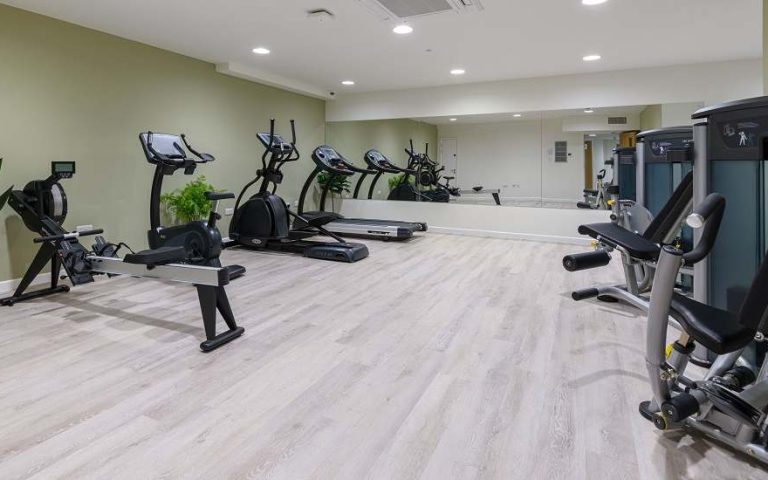
On-site gyms are rarely the best equipped in the neighbourhood, but they are forty seconds from your front door, and that proximity beats equipment on a February evening. The busy hours are predictable — early morning and just after six — and everything between is usually yours.
Meet the people in the building
The residents in your building are the nearest thing to neighbours you will have, and unlike your cohort they are doing entirely different things. Most buildings run some sort of resident programme, and the events are better attended than sceptics expect.
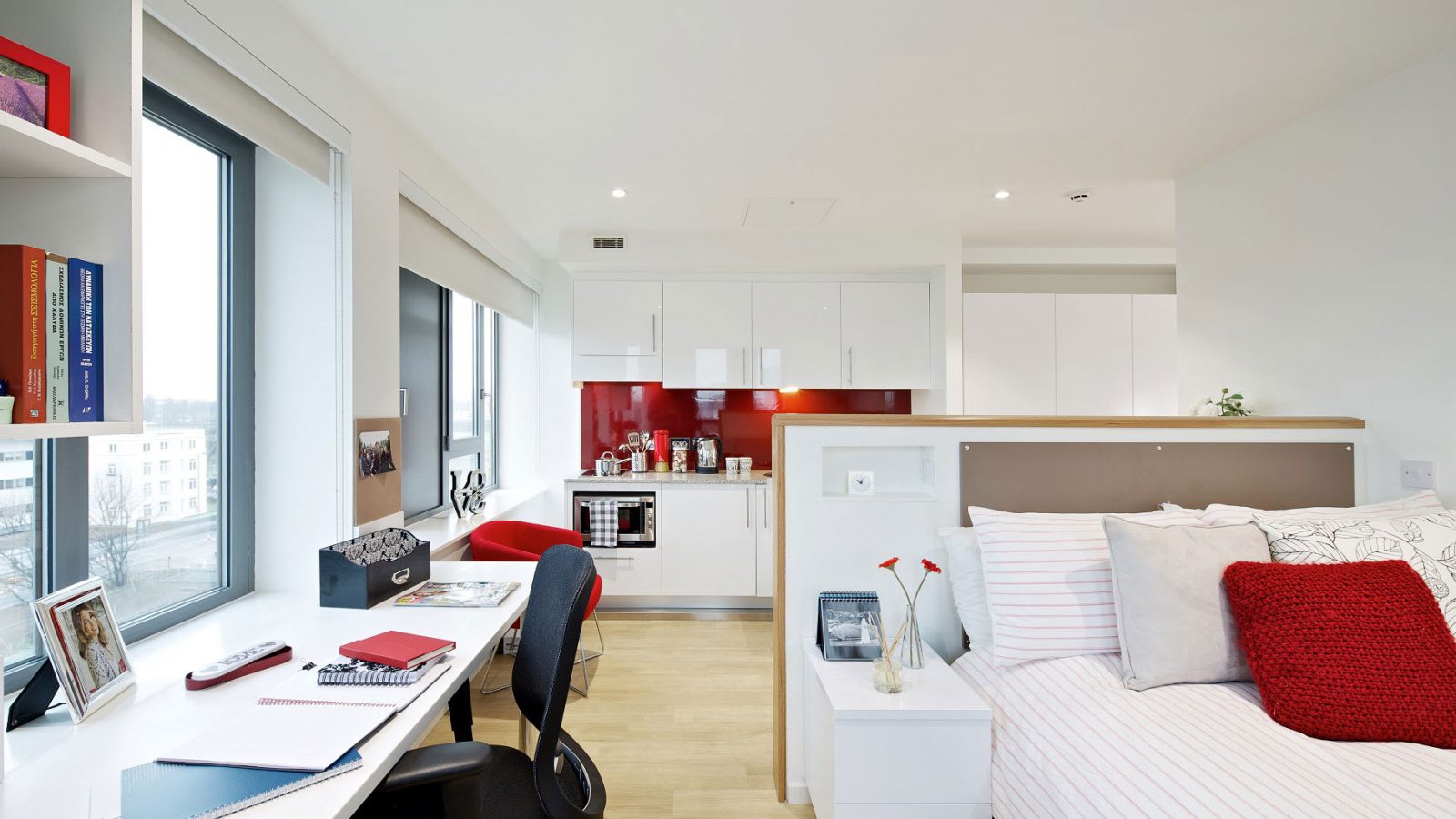
This matters more in a studio than in a shared flat. A self-contained room is a genuine advantage for working in and a genuine risk for isolation, and the shared spaces are the built-in remedy.
Report things promptly
A broken washing machine that nobody reports stays broken. Buildings generally fix what they are told about and have no way of knowing about the rest, and the reporting process is usually an app or a form at reception.
The same goes for anything in your own room. A tap that drips in October is a small job; the same tap in June is a small job that has annoyed you for eight months.
Related Posts
-

How to use the London Underground: a guide for new postgrads
Let’s be honest: the tube map looks like a bowl of coloured spaghetti. Scary? A little. Complicated? Not really. The London Underground, or the tube as most people call it, is the quickest way to get to lectures, labs and the library in most of London. You don’t need…
-
Settling in during your first term
The first eight weeks set the pattern for the rest of the year. Here is what tends to help.
-
Living in White City, Shepherd’s Bush and Hammersmith: a postgrad’s area guide
Moving to a new part of London can feel like a lot. Where do you shop? How do you get to campus? Where do you go when your brain needs a break from reading? Seriously, nobody warns you about all this when you accept your offer. So here’s…