A postgraduate’s guide to living in London
Getting around, eating well and finding the parts of the city that are not on the postcard.
 Posted by
creator
3 min read
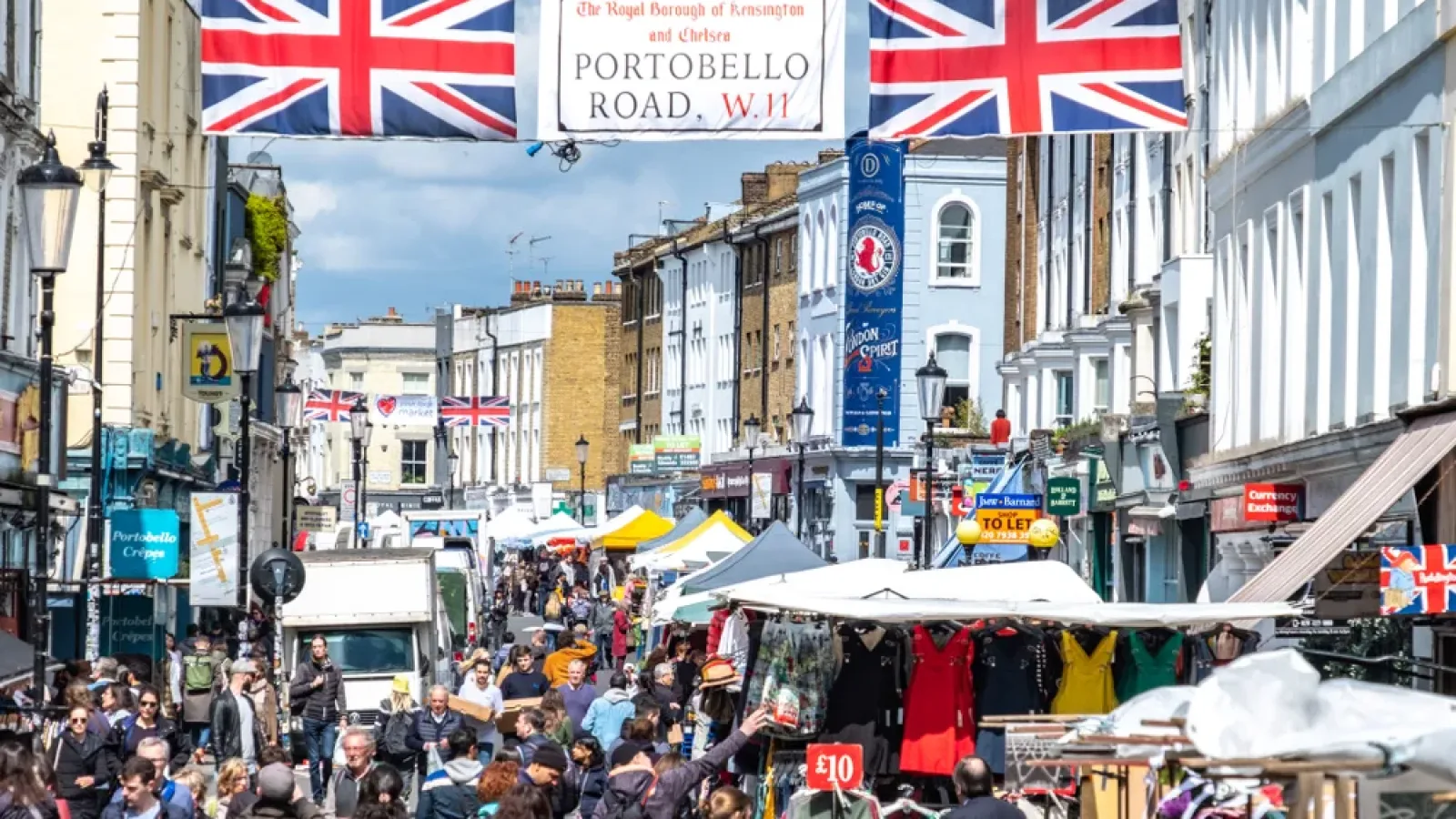
London is a difficult city to arrive in and an easy one to live in, and the gap between those two states is mostly a matter of a few weeks and a few habits. Postgraduate study leaves less time for wandering than an undergraduate degree does, so it helps to be deliberate about the parts of the city you learn first.
Learn one line properly
London rewards depth over breadth. Pick the line that runs closest to your building and learn what sits along it — the markets, the cinemas, the parks — and the city stops feeling like somewhere you are visiting.
This is more practical than it sounds. A city of nine million is unlearnable as a whole, but fifteen stations is a manageable amount of ground, and it gives you somewhere to go on an evening when the alternative is staying in. The knowledge compounds: the second line is easier than the first.
Get an Oyster card or set up contactless before you need it, and check whether you are eligible for a student discount on travelcards. The 30 per cent saving on a season ticket is one of the few reliable discounts in the city.
Eat where the students eat
Every university quarter has a handful of places that have quietly fed postgraduates for decades. They are rarely the ones with the queue outside.
The reliable signal is a menu that has not changed much and a room that is busy at one in the afternoon on a Tuesday. Ask the people in your department rather than the internet — this is the sort of thing that is genuinely better transmitted by word of mouth.
For cooking at home, the supermarket is rarely the cheapest option for fresh food. Most neighbourhoods have a market within walking distance, and the last hour before closing is reliably the best value in the city.
Use the free hours
The major museums are free, and most of them are far better on a weekday morning than at the weekend. A gap between seminars is enough time for a room or two.
The same is true of the parks, the galleries with free permanent collections, and the libraries that let anybody in with proof of address. A postgraduate timetable with a Wednesday afternoon in it is an asset most working Londoners do not have.
Give it a term before you judge it
Almost everybody finds the first six weeks harder than they expected, including the people who look as though they have settled in immediately. The city is large, expensive and indifferent, and it takes a while before the places you pass every day start feeling like yours.
It generally does happen, and usually somewhere around the second month, without any particular event marking it. Knowing that in advance makes the first few weeks easier to sit through.
Related Posts
-

Living in White City, Shepherd’s Bush and Hammersmith: a postgrad’s area guide
Moving to a new part of London can feel like a lot. Where do you shop? How do you get to campus? Where do you go when your brain needs a break from reading? Seriously, nobody warns you about all this when you accept your offer. So here’s…
-
Cost of living in London for postgraduate students
Studying for a master’s or PhD in London is very manageable when you know what things cost. Sounds optimistic? Fair enough, so here’s the real breakdown of what a postgraduate can expect to spend each month on rent, bills, travel, food and going out, and how the right accommodation…
-
How to use the London Underground: a guide for new postgrads
Let’s be honest: the tube map looks like a bowl of coloured spaghetti. Scary? A little. Complicated? Not really. The London Underground, or the tube as most people call it, is the quickest way to get to lectures, labs and the library in most of London. You don’t need…